
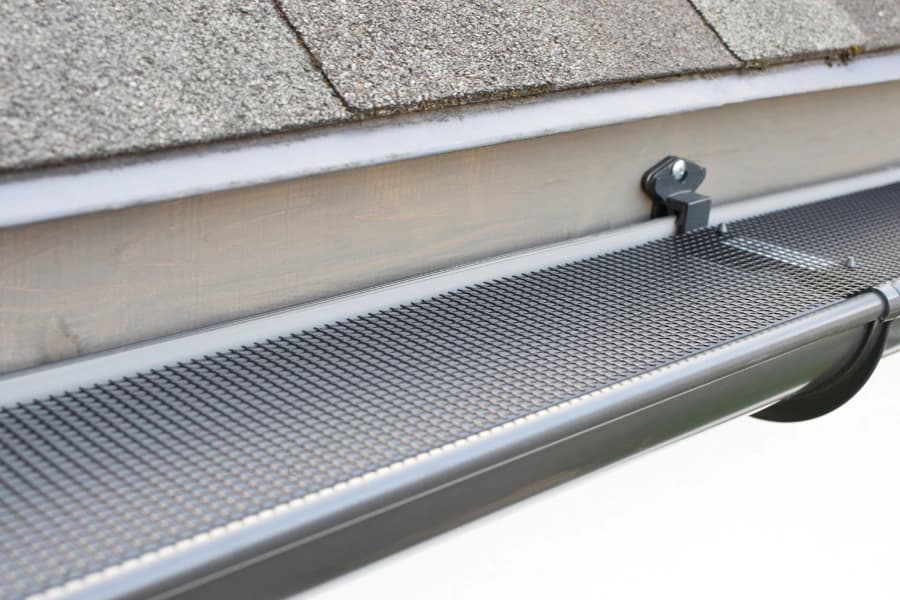
Gutter Guard Installation
Gutter protection selected around roof material, tree cover, drainage demand, and the condition of the existing system.
See the condition before choosing the work.
ProBYLT checks the gutter and roof edge before fitting a guard system intended to reduce common debris entry while preserving runoff flow.
The inspection connects visible symptoms with the surrounding roof or exterior assembly. Product details and installation requirements follow the selected specification.
Conditions worth a closer look.
These signs can point to wear, damage, drainage concerns, or a planned property update. An on-site review determines the relevant scope.
- Leaves and seed pods collect through much of the year
- Roof valleys send concentrated water toward short gutter sections
- Routine gutter access is difficult around the property
- Existing screens have lifted, bent, separated, or trapped debris
- A new gutter system needs a coordinated protection option
Follow the connections around the work.
The field details change with the surface, access, selected products, and property conditions.
Follow the work across each meeting point.
The property review and selected specification determine how these parts connect during the service.
- 01Roof edge
- 02Gutter run
- 03Outlet
- 04Discharge
A scope organized around the assembly.
- Existing gutter, hanger, slope, and roof-edge review
- Debris pattern and runoff assessment
- Guard profile selected for the compatible roof and gutter system
- Cleaning within covered gutter runs before fitting
- Attachment and transition details at corners and valleys
- Flow review with care instructions
Each stage confirms the next one.
The sequence can adjust to the property and the selected system. Visible decisions stay tied to the work they affect.
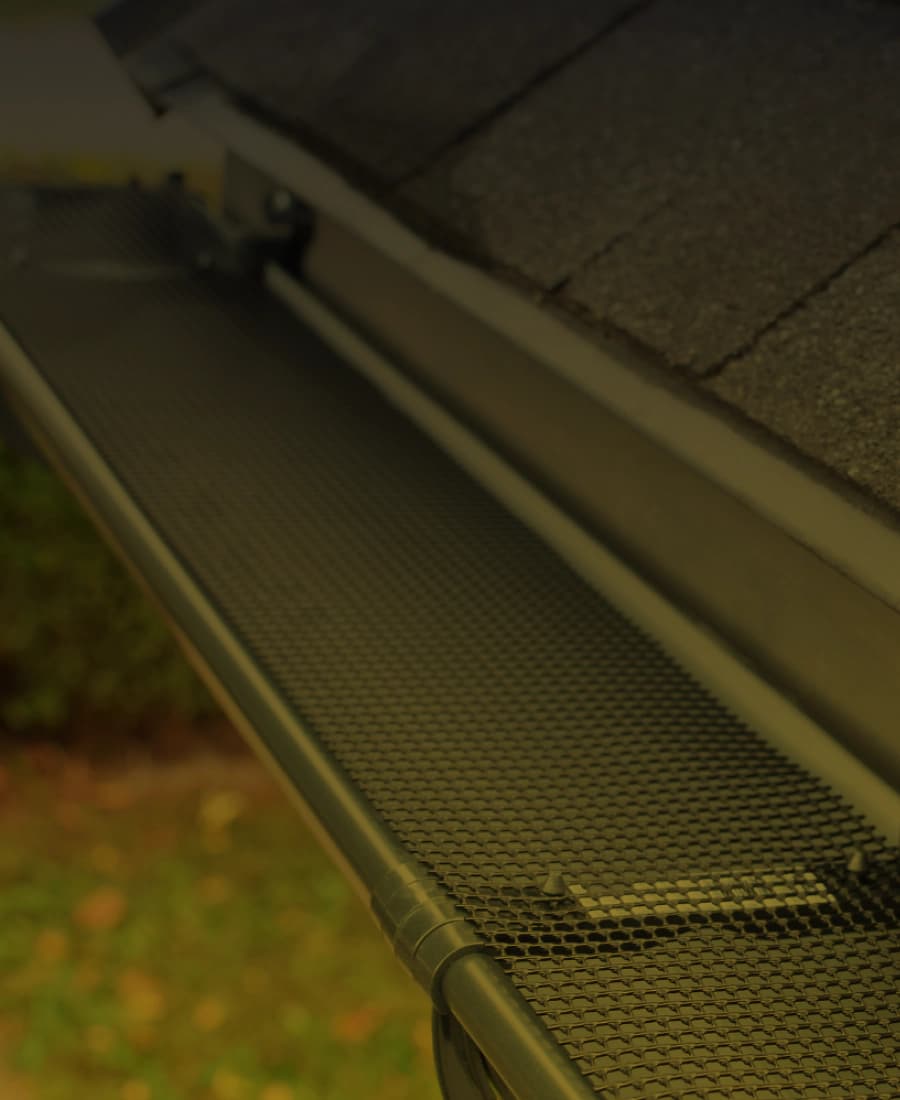
Inspect the drainage system
- 01
Inspect the drainage system
The review covers gutter condition, pitch, outlets, downspouts, roof edges, and concentrated flow areas.
- 02
Match the guard profile
Roofing material, gutter shape, tree debris, and water volume shape product selection.
- 03
Clear covered runs
Crews remove accessible debris from included gutters and address approved drainage concerns first.
- 04
Fit protection sections
Guard pieces are secured across the planned runs with attention to edges and corners near concentrated roof-valley flow.
- 05
Explain routine care
The closeout identifies periodic surface checks and any property areas likely to collect windblown debris.
Useful answers before the inspection.
Do gutter guards need maintenance?
Periodic review keeps the guard surface and drainage path working as designed. Nearby trees and roof shape influence the care schedule.
Can guards help during heavy rain?
Water handling depends on roof area, valley flow, gutter size, outlet capacity, and the guard profile. Inspection helps match the system to those conditions.
Can guards fit existing gutters?
Many sound gutter systems can accept a compatible guard. Attachment, pitch, roof-edge details, and current drainage performance need review first.
Will installation affect the roof edge?
The selected guard determines how it connects with the gutter and roofline. ProBYLT chooses an attachment method suited to the existing assembly.
Keep related work in view.
Seamless Aluminum Gutter Installation
Seamless aluminum gutters formed for the roofline with planned outlets, slope, hangers, and downspout routes.
Open serviceGutter Cleaning
Debris clearing for accessible gutters and downspout openings, followed by a review of visible drainage concerns.
Open serviceCopper Gutter Installation
Copper gutters shaped and joined for dependable drainage with a finish that develops natural character over time.
Open serviceShow us what the property needs.
An inspection request gives the team a place to begin. Add the service, ZIP code, and the condition you have noticed.
Prefer a call? (470) 975-7337