Storm Damage Roof Restoration
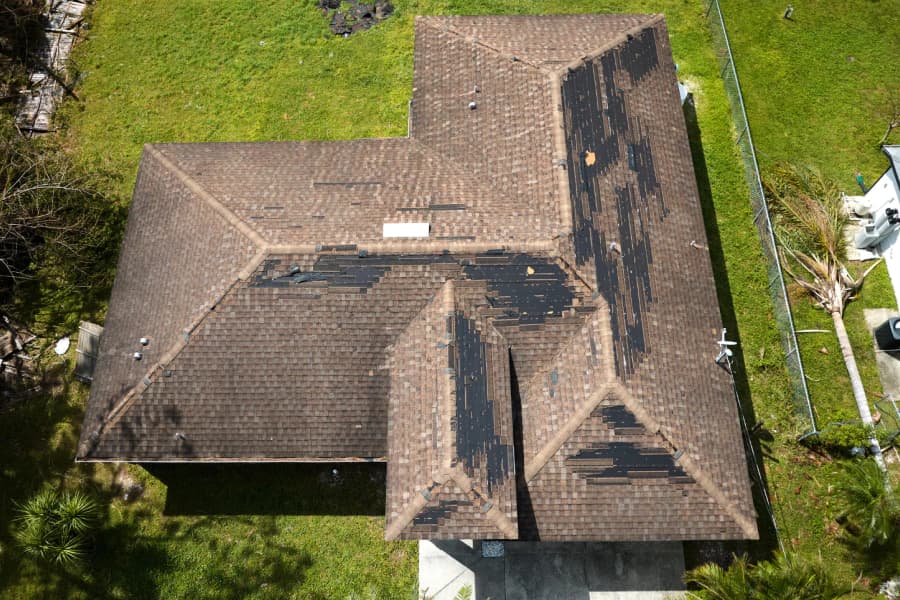
A documented response to wind, hail, debris impact, and storm-driven water around the roof system.
See the condition before choosing the work.
After severe weather, ProBYLT checks immediate exposure first and then develops a repair or replacement scope from the conditions found.
The inspection connects visible symptoms with the surrounding roof or exterior assembly. Product details and installation requirements follow the selected specification.
Conditions worth a closer look.
These signs can point to wear, damage, drainage concerns, or a planned property update. An on-site review determines the relevant scope.
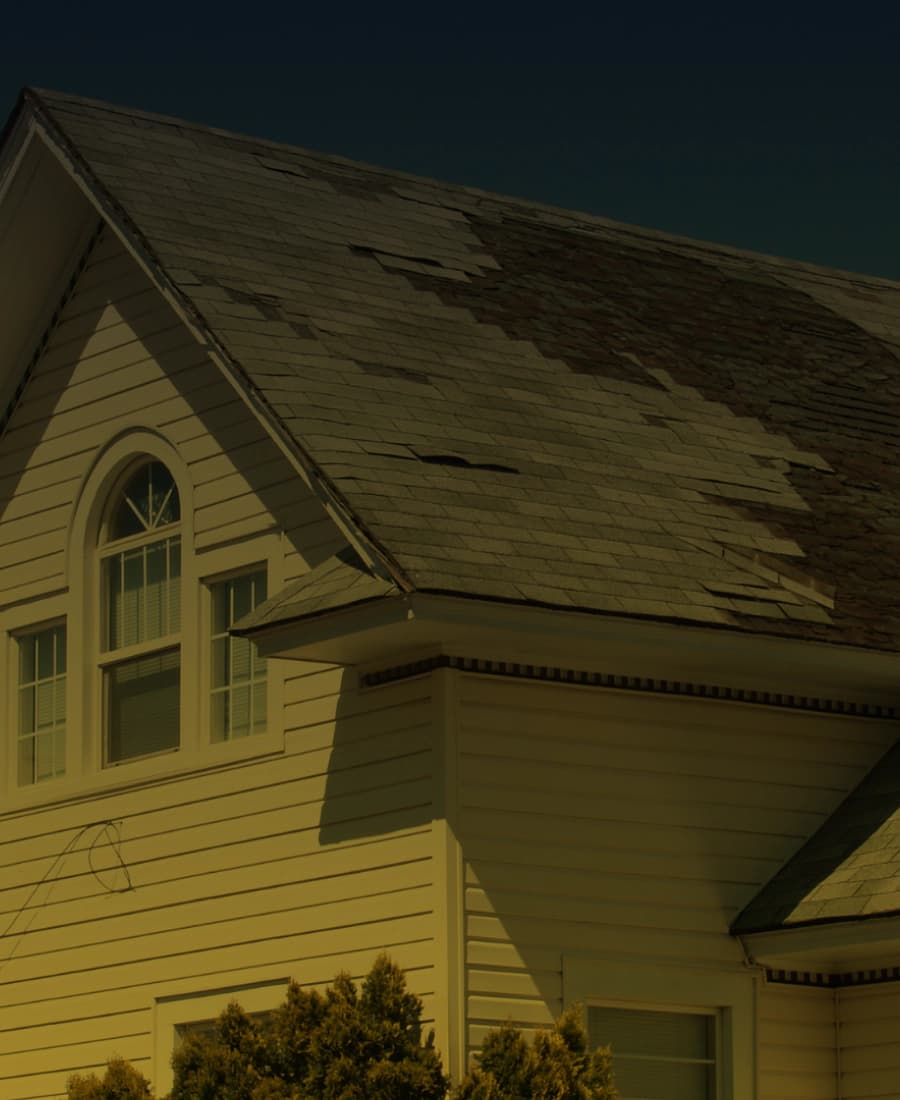
- Shingles lift, crease, tear, or leave bare roof areas
- Hail marks appear on roofing, metal, gutters, or vents
- Tree limbs or debris strike the roof
- Rain enters around a storm-damaged opening
- Siding, fascia, soffit, or drainage components show fresh damage
Start with the condition of the roof.
An inspection records visible damage and the repair scope. Photos and construction details give the homeowner a clear basis for the next conversation.
A scope organized around the assembly.
- Safety review of accessible storm-affected areas
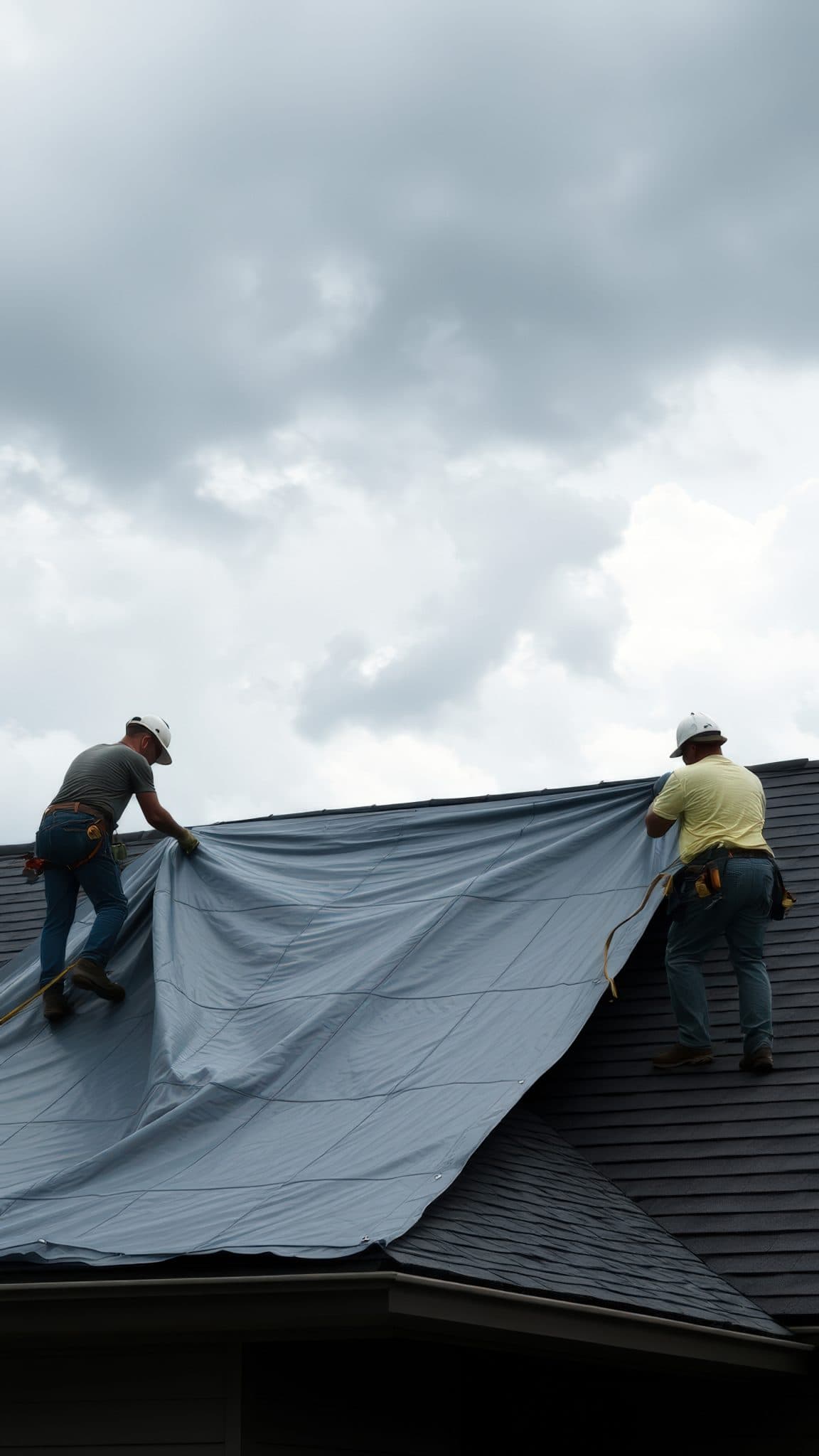
- Temporary weather protection when conditions support it
- Roof and exterior photo documentation
- Repair or replacement scope tied to observed conditions
- Coordination around supported insurance documentation
- Final review of completed restoration work
Each stage confirms the next one.
The sequence can adjust to the property and the selected system. Visible decisions stay tied to the work they affect.
Check active exposure
- 01
Check active exposure
The first review identifies openings and loose materials along any water path that calls for prompt attention.
- 02
Record storm conditions
Photos and notes capture accessible damage across the roof and related exterior surfaces.
- 03
Plan the restoration
The proposal groups work by component and explains the materials required for the observed scope.
- 04
Coordinate project records
Owners receive organized estimates and construction details for their files or carrier review.
- 05
Restore the affected systems
Crews complete authorized work with attention to transitions between roofing, siding, gutters, and trim.
Useful answers before the inspection.
What should I check after a storm?
Look from the ground for displaced materials, fallen debris, damaged drainage, or visible openings. Interior stains and damp attic areas also deserve prompt attention.
Is hail damage always visible from the ground?
Many hail indicators require a close roof inspection. Marks on vents and gutters can add context when other soft exterior metals show the same event pattern.
Can the property receive temporary protection?
Temporary measures may help cover an accessible opening until the permanent scope is ready. The damaged assembly guides the approach alongside site safety and weather.
Does every storm-damaged roof need replacement?
The observed damage pattern and material condition guide the recommendation. Localized conditions can support repair, while broad failure may call for replacement.
Keep related work in view.
Roof Insurance Claim Assistance
Roof condition documentation and repair estimates organized for a property insurance claim.
Open serviceRoof Repair
Targeted roof repairs based on visible evidence and the water path through nearby materials.
Open serviceAsphalt Roof Replacement
A complete asphalt roofing system planned around the deck, ventilation, flashing, and shingle profile.
Open serviceShow us what the property needs.
An inspection request gives the team a place to begin. Add the service, ZIP code, and the condition you have noticed.
Prefer a call? (470) 975-7337